
Steps That Handle Daily Use and Weather
Concrete steps throughout Sacramento and the surrounding areas provide safe, durable access solutions for properties with elevation changes, sloped landscapes, and multi-level outdoor spaces.
Triple R Concrete Inc builds concrete steps for residential properties and outdoor areas where elevation transitions require stable, long-term access. Steps are dimensioned to support frequent foot traffic while maintaining comfort and code compliance. Throughout Sacramento and the surrounding areas, many properties feature sloped yards and multi-level entryways, making properly constructed concrete steps an important part of safe and functional access. When designed to integrate with existing walkways and patios, concrete steps improve accessibility while requiring very little ongoing maintenance.
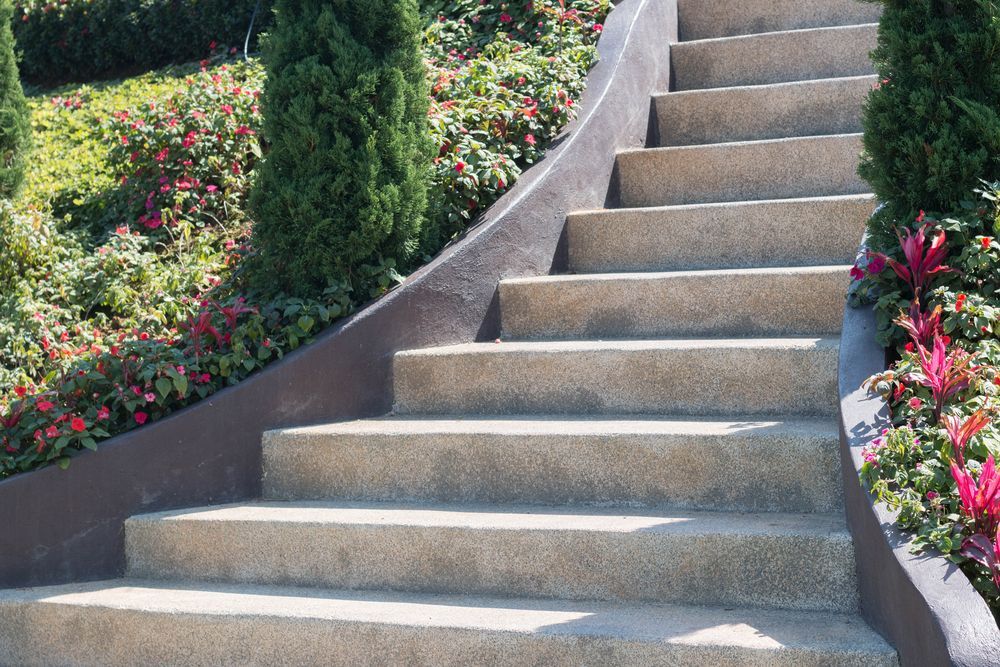
The work involves forming steps to precise riser and tread dimensions that determine how comfortably people move between levels. Riser height and tread depth directly affect stability, especially in wet conditions or when carrying items. Steps are poured as monolithic units when possible to eliminate joints that shift over time, and surfaces are finished to provide traction without holding water.
Schedule a property evaluation to review grade transitions and determine step dimensions based on your specific entryway layout.
What Proper Step Construction Requires
Steps are formed with reinforcement that ties the entire structure together, preventing individual treads from cracking or settling independently. The base is compacted and leveled to distribute weight evenly, which matters more on sloped properties where soil movement can undermine shallow foundations. Forming includes consistent riser heights across the entire run, since even small variations create tripping hazards that become more noticeable with use.
Once cured, you'll notice each step supports weight without flexing or showing surface wear from foot traffic. Edges remain intact through freeze-thaw cycles, and water sheds off the tread surface rather than pooling. Steps connect visibly and structurally to adjacent concrete work, so transitions between landings, walkways, and driveways function as continuous surfaces rather than separate pours that shift at different rates.
Finish options include broom texturing for standard traction or decorative stamps that match surrounding flatwork. Standard finishes work well for rear entries and utility access, while decorative options suit front entryways and pool areas where steps contribute to overall design. Finish choice also affects how much surface cleaning the steps will require over years of use.
Questions Before Starting Your Project
Property owners typically ask about dimensions, finishes, and how steps connect to existing structures before moving forward with installation.
What dimensions should concrete steps follow?
Risers typically measure between six and seven inches in height, with treads extending at least eleven inches deep to accommodate a full footfall. Consistent dimensions across the entire run prevent missteps and meet building code requirements for residential construction.
How do steps integrate with existing patios or walkways?
Steps are poured to match the elevation and finish of adjacent concrete, with control joints placed strategically to manage movement without creating tripping edges. When connecting to older concrete, the new pour is tied with dowels or keyed into the existing surface to prevent separation.
Why do some steps crack while others remain intact?
Cracking typically results from inadequate base preparation, missing reinforcement, or forming that allows treads to cantilever without support. Steps poured as a single reinforced structure distribute stress more effectively than individually cast treads stacked together.
When should decorative finishes be applied to steps?
Stamping or coloring happens during the pour process, while sealing occurs after the concrete has cured fully. In Herald's climate, sealing within the first few months helps protect decorative finishes from early weathering and staining.
What kind of base preparation do outdoor steps require?
The base extends below the frost line and includes compacted gravel that drains water away from the foundation. Without proper drainage, water accumulates under steps and creates voids that lead to settling and cracking over seasonal temperature changes.
Triple R Concrete Inc. constructs concrete steps throughout Sacramento and the surrounding areas that connect safely to entryways, patios, and landscaped spaces. Request a detailed estimate tailored to your property’s elevation changes, layout, and finish preferences.