
Pool Surrounds Built for Wet Surfaces
Concrete Pool Decks Throughout Sacramento and the Surrounding Areas for Residential Pools Requiring Slip-Resistant, Weather-Resistant Surfaces
Pool decks endure constant water exposure, bare foot traffic, and temperature extremes that cause smooth concrete to become hazardous and deteriorate faster than interior surfaces. Slip-resistant textures and proper drainage design prevent standing water and reduce fall risk around pool perimeters. Triple R Concrete Inc. installs concrete pool decks throughout Sacramento and the surrounding areas for residential properties and outdoor entertaining spaces, using finishes that combine slip resistance, comfort, long-term durability, and design flexibility.
The installation involves grading the deck to slope away from the pool edge, preventing water from draining back into the pool or pooling on the walking surface. Concrete is finished with broom textures, stamped patterns, or salt finishes that create traction without being abrasive enough to injure bare feet. Control joints are placed to manage cracking in predictable locations, and surfaces are sealed to resist chlorine exposure and UV fading that degrades unprotected concrete.
Schedule a consultation to evaluate your pool area layout and discuss finish options that match your outdoor design and functional requirements.
What You Notice Once the Deck Is Finished
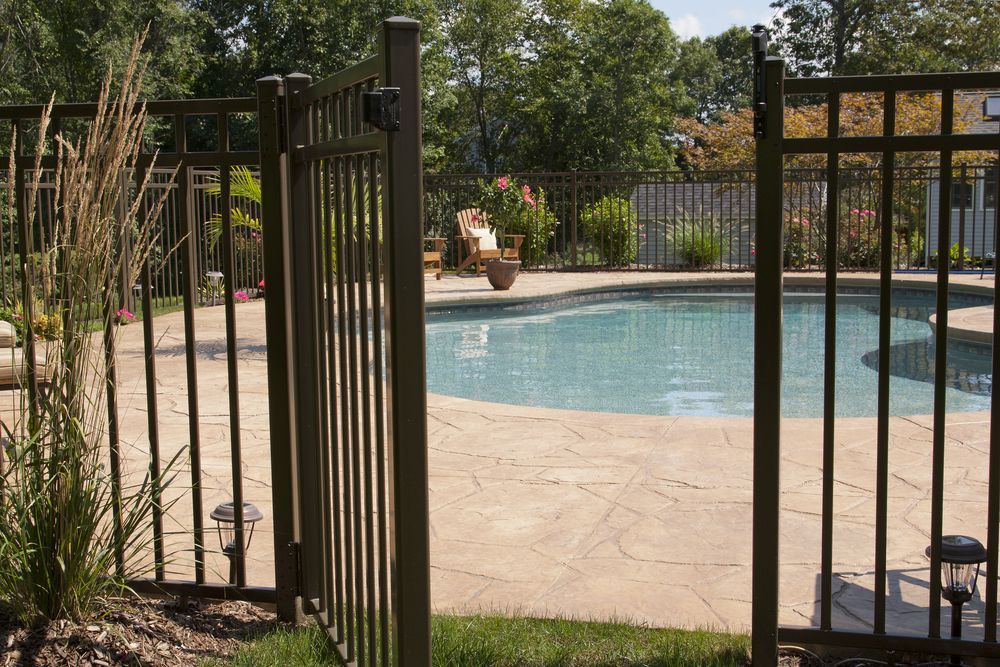
Completed pool decks provide stable footing even when wet, with textured surfaces that prevent slipping without causing discomfort when walking barefoot. Water drains toward landscape areas or designated drains rather than forming puddles that attract debris or create slip zones. Stamped and colored finishes integrate visually with patios, walkways, and landscaping, creating a cohesive outdoor space rather than a utilitarian concrete slab surrounding the pool.
The surface resists staining from sunscreen, chlorine splash, and leaf tannins better than unsealed concrete, making routine cleaning straightforward and preventing discoloration that mars appearance over time. Sealed decks maintain color consistency across the entire surface, even in high-traffic zones near ladders and steps where untreated concrete typically shows wear first. Proper reinforcement and joint placement prevent cracks from forming along the pool edge, which is a common failure point when decks are poured without adequate base preparation.
Decorative options include stamped patterns that replicate natural stone, brick, or wood plank textures, along with integral color that remains consistent throughout the concrete thickness rather than sitting on the surface where it can wear away. Standard broom finishes work well when budget or maintenance simplicity is the priority, while stamped finishes suit properties where the pool deck serves as a primary entertaining space. Both finish types can be sealed for enhanced protection and easier long-term maintenance.
Answers to Frequent Service Questions
Pool deck projects typically raise questions about slip resistance, finish durability, and how the deck integrates with existing pool equipment and landscaping.
What makes a pool deck slip-resistant?
Texture is added during finishing through broom dragging, salt broadcasting, or stamping that creates surface irregularities. The texture must be pronounced enough to provide grip when wet but smooth enough to avoid scraping bare skin during normal use.
How does the deck handle constant water exposure?
Properly sealed concrete resists water absorption and chlorine penetration that would otherwise cause surface scaling and discoloration. Sloping the deck away from the pool prevents water from sitting on the surface, which accelerates weathering and promotes algae growth in shaded areas.
Why do some pool decks crack while others remain intact?
Cracking results from inadequate base compaction, missing control joints, or reinforcement that doesn't extend to deck edges. In Herald, seasonal ground movement makes proper base preparation and joint placement especially important for long-term performance.
When should colored or stamped finishes be sealed?
Sealing should occur after the concrete has cured fully, typically within 30 days of installation. Sealing protects decorative finishes from UV fading and chemical exposure while making the surface easier to clean and maintain over years of use.
What width should the deck extend around the pool?
Most decks extend at least four feet from the pool edge to provide adequate space for seating, walking, and equipment access. Wider decks accommodate lounge furniture and create more usable outdoor space, while narrower decks prioritize budget and lot constraints.
Triple R Concrete Inc. designs and installs concrete pool decks throughout Sacramento and the surrounding areas, combining safety, durability, and visual appeal for residential outdoor spaces. Request an estimate based on your pool dimensions, layout, and finish preferences to begin planning your pool deck installation.